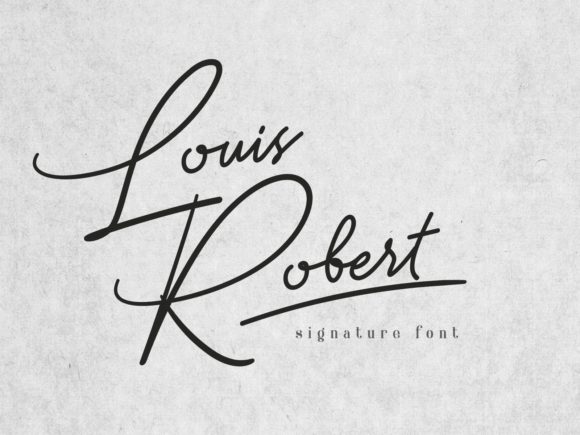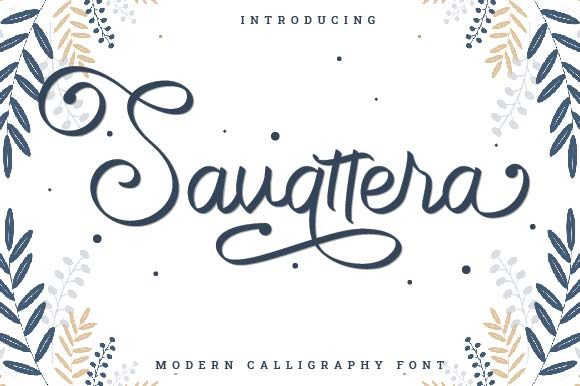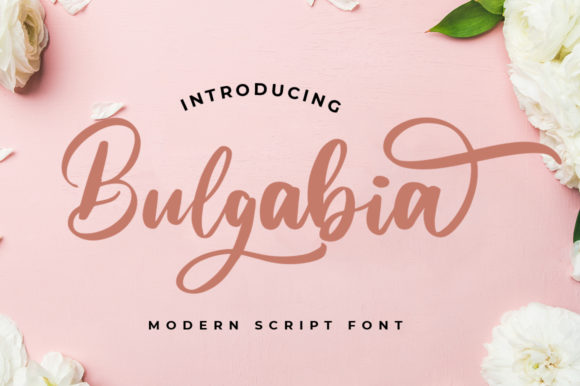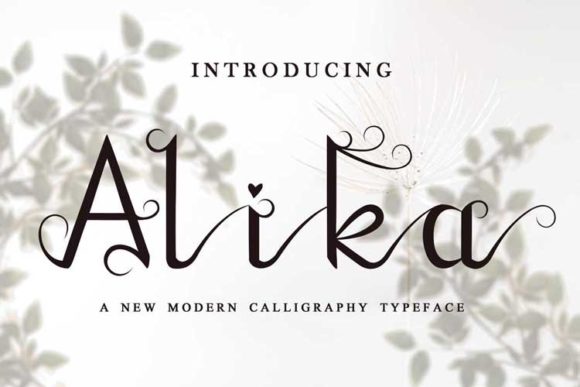
Whether Fark: A Gorgeous Script Font for Elegant Branding
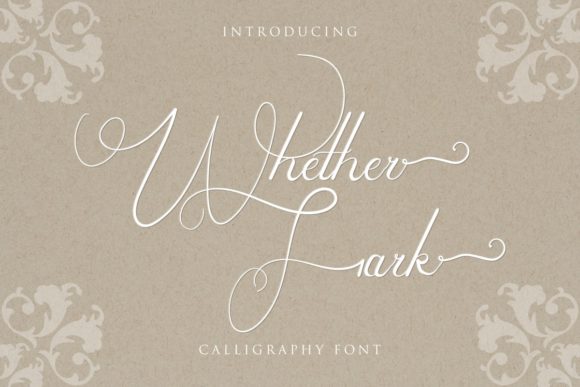
I opened my design software this morning with a blank brand board and a clear goal: create a visual identity that feels both personal and polished for a new local boutique. The client wanted something that screamed "handcrafted luxury" without looking dated or overly ornate. That's when I decided to test Whether Fark, a script handwritten typeface that immediately caught my eye. As I dragged the font file into my workspace, I knew I was working with one of those rare fonts that can truly transform a project from good to unforgettable.
Using Whether Fark for Logo Design and Brand Identity
The first place I always test a new typeface is the logo draft, and Whether Fark did not disappoint. This gorgeous script font has a stunning character set that flows naturally, making it perfect for creating a memorable logotype. As I typed out the boutique's name, the letters connected with a rhythm that felt organic yet refined. What stood out most was how perfectly managed the spacing and kerning are right out of the box; I didn't have to spend twenty minutes manually adjusting tracking to make it look professional. For designers working on brand identity projects, having a script handwritten font that requires minimal tweaking is a massive time-saver. It adds an elegant and stylish touch to your designs instantly, allowing the logo to stand as the hero of the brand without needing excessive embellishments.
Creating Elegant Packaging Labels with Whether Fark
Once the logo was locked in, I moved on to the packaging design, specifically the product labels for the boutique's handmade soaps and candles. Whether Fark shines here because its legibility remains high even at smaller sizes, which is crucial for product labels. I paired it with a clean sans serif font for the ingredient lists and weight information to create a balanced visual hierarchy. The contrast between the flowing script and the structured sans serif gave the packaging a modern typography feel while keeping that artisanal warmth. When I mocked up the label on a glass jar, the font's elegant strokes caught the light in the rendering, suggesting a premium quality that justifies a higher price point. If you are designing for physical products, this font provides the sophistication needed to make shelf presence count.
Whether Fark for Social Media Graphics and Digital Headers
In today's digital-first landscape, a brand needs to look just as good on an Instagram story as it does on a storefront sign. I tested Whether Fark on a series of social media graphics promoting the boutique's grand opening. The font's bold yet graceful lines pop beautifully against solid color backgrounds and textured photography alike. Because it is a display font by nature, it works best for headlines, quotes, and call-to-action buttons rather than long body copy. I used it for the main header on the website's hero section, where it immediately established the mood of the site. Visitors get a sense of the brand's personality within seconds of landing on the page. For content creators and marketers, using a distinctive script handwritten font like this helps maintain consistency across all digital touchpoints, reinforcing brand recognition every time a user scrolls past a post.
Pairing Whether Fark with Modern Typography Styles
No font exists in a vacuum, and part of my testing process involves finding the perfect companions for the primary typeface. Whether Fark is incredibly versatile when it comes to font pairing. While it stands strong on its own for short-form text, it truly sings when supported by a geometric sans serif or a classic serif font. In my project, I paired it with a lightweight sans serif to keep the overall aesthetic airy and contemporary. However, if you are working on an editorial design project or a wedding invitation suite, pairing it with a traditional serif could amplify the romantic and timeless vibe. The key is to let Whether Fark take the spotlight as the accent font while the supporting typeface handles the heavy lifting of readability. This balance ensures that the elegant and stylish touch of the script doesn't overwhelm the viewer but instead guides their eye through the content.
Finalizing Brand Materials with Whether Fark Fonts
As the project neared completion, I applied Whether Fark to the final set of brand materials, including business cards, thank-you notes, and shopping bags. The consistency it brought to these collateral pieces tied the whole identity together. One thing I appreciated during this phase was the reliability of the character set; whether I was typing in all caps or mixing cases, the ligatures and alternates behaved predictably. For freelancers and creative studios, knowing that a font will perform consistently across print and digital mediums is essential for delivering professional results. Before handing over the files to the client, I made sure to review the commercial font licensing terms to ensure they had the rights to use these fonts for their merchandise and marketing assets. It's a small step that protects both the designer and the client in the long run.
Why Whether Fark is Essential for Creative Projects
After weeks of working with this typeface, I can confidently say that Whether Fark is more than just a pretty font; it's a strategic design asset. Its ability to convey elegance without sacrificing readability makes it a top choice for branding projects that aim to connect emotionally with their audience. Whether you are designing a logo for a coffee shop, creating headers for a lifestyle blog, or crafting labels for a skincare line, this script handwritten font delivers the goods. The well-spaced letters and stunning character details mean less time fixing typos and more time focusing on the big picture of the brand story. If you are looking to elevate your next design project, adding Whether Fark to your toolkit is a move that pays off in professionalism and style. It transforms ordinary layouts into something that feels curated and special, exactly what modern clients are looking for in a competitive market.